Share the Love: Why Accessibility is the Heart of Digital Learning
Read about how CourseArc is working to lead the way to make learning accessible to all.


Read about how CourseArc is working to lead the way to make learning accessible to all.
Explore CourseArc’s new AI features—generate alt text, convert outlines into lessons, and create quizzes—built to save time and support accessible course design.

Digital accessibility isn’t just about compliance—it’s about creating a better, more inclusive experience for everyone. With the recent updates to ADA Title II, public entities now have clearer guidelines to follow, making accessibility a top priority. But what does this mean in practice? How can organizations ensure their digital content meets WCAG 2.1 AA standards while also improving the user experience? To unpack the latest changes and share actionable insights, we sat down with Shannon Urban, Accessibility Director at McGraw Hill, who supports CourseArc with accessibility work.
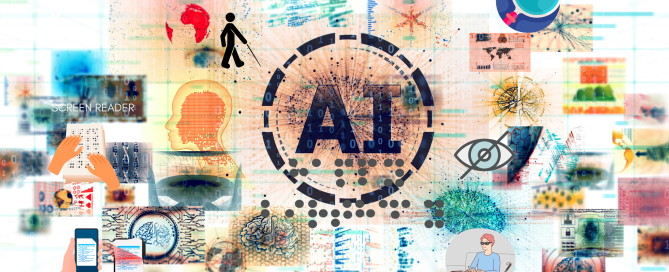
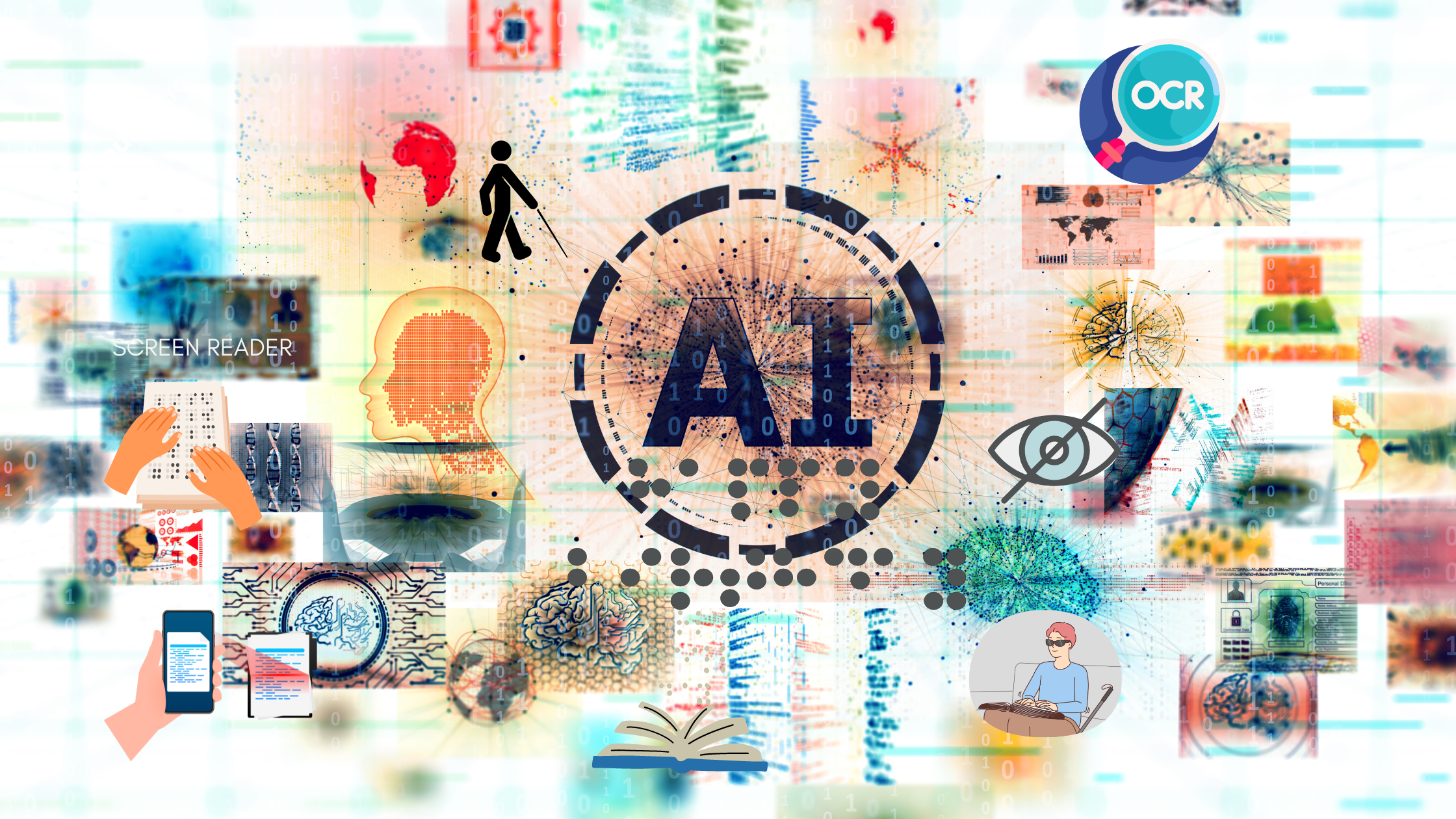
The advancements in artificial intelligence (AI) technology has brought forth many new and exciting uses, especially for education. CourseArc has been committed to staying at the forefront of this new technology, and has been exploring ways to utilize AI to help everyone achieve accessible content. We are proud to unveil our new AI tool designed to assist visually impaired users: Image Insight. The Image Insights tool is available free to anyone and everyone that has a ChatGPT account.
The role of AI in online learning is pivotal, particularly in online learning. We delve into what AI is, how it can improve the learning experience for all, and the ethical considerations in online learning.
In the fast-paced world of online learning, clear communication is crucial for course creators. Learners often have limited time to spend on training, so when they engage with courses, the experience needs to be straightforward and easy to navigate. In this article, we explore how training materials can be revised using plain language to improve the learning experience.
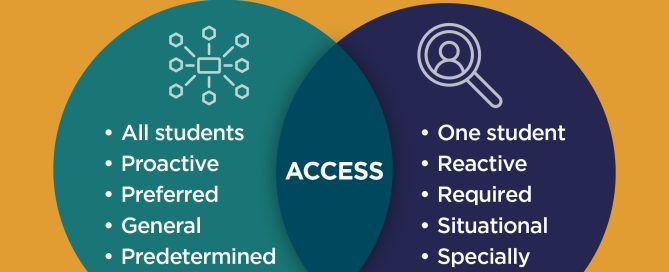
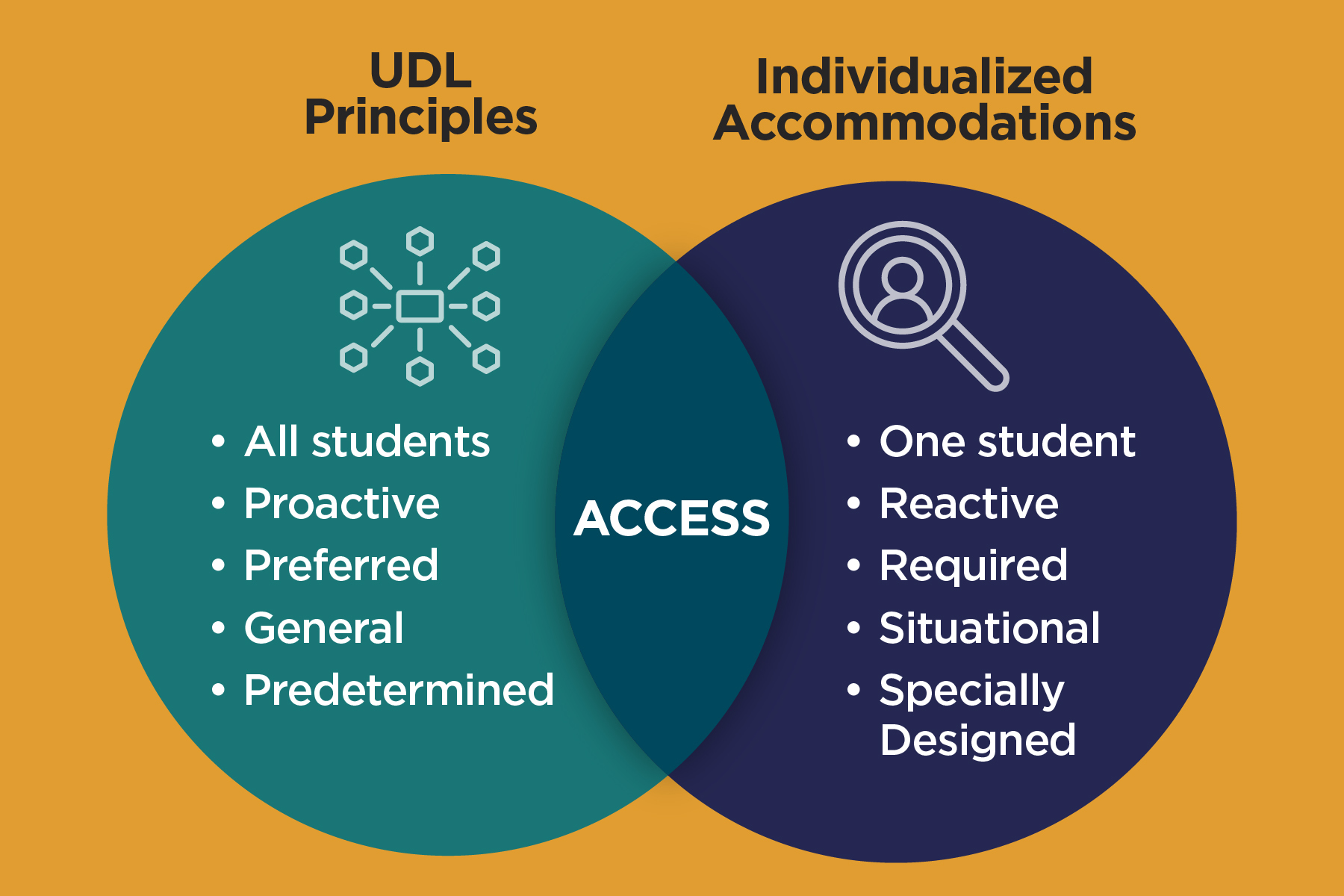
Universal Design for Learning, or UDL, provides a framework for instructors—whether its higher education, K-12 or even corporate learning—that removes potential learning barriers for all learners, including those who experience learning differences and those with learning disabilities. In comparison to individualized accommodations, UDL anticipates what works best for a variety of students and intentionally integrates that throughout the course, reaching a larger portion of students. With UDL, authentic learning takes place, permitting learners to uniquely engage with educational content with multiple opportunities to respond and express their evidence of learning. Read on to learn more.
In this guest post by ReadSpeaker, you'll learn the meaning of standard text to speech (TTS) and about some of the populations who benefit from TTS. You'll learn a few ways businesses can leverage voice technology to achieve mission-critical goals. You'll also learn the history of this continually developing field.
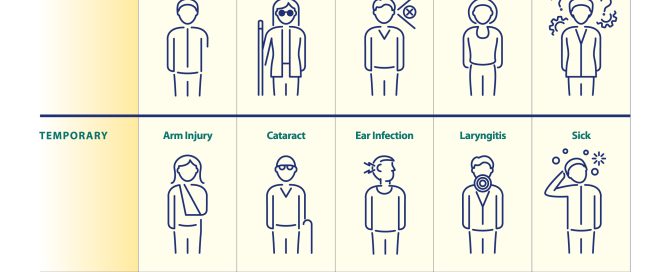
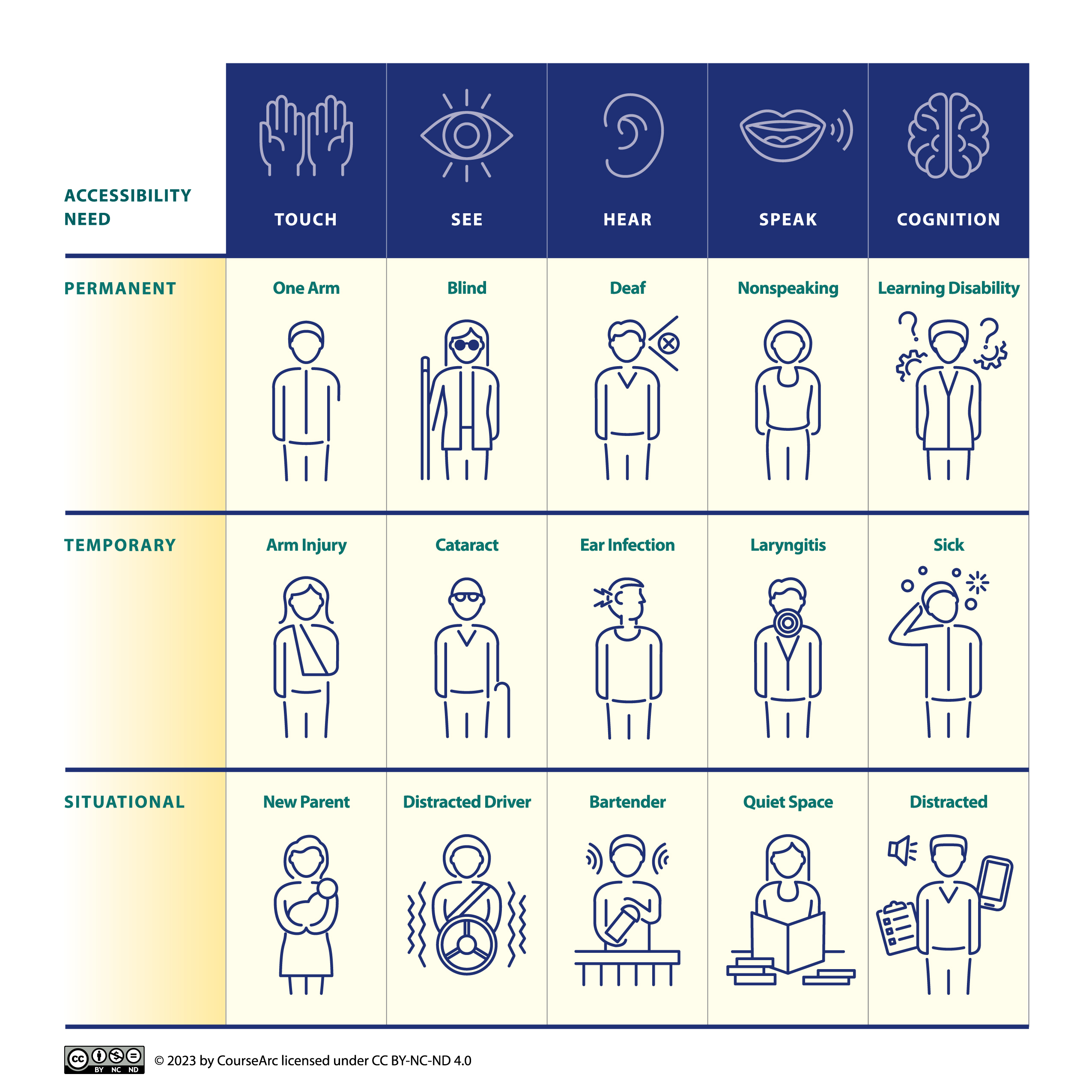
Accessibility goes beyond ensuring that our buildings, roads and walkways are safe and usable for as many people regardless of ability. It also extends to our digital spaces – websites, online courses, social media, apps, etc. – to ensure that information and activities are sensible, meaningful, and usable for as many people as possible. Just like a website, documents are also required to meet accessibility standards.
CourseArc’s curated features are devised by real content creators and are routinely expanded upon through collaboration and feedback from clients and experts in the field. We asked our Professional Services team (who are also avid users of the CourseArc platform, themselves) to narrow down some of their favorites and this is what we got!

© 2026 CourseArc. All Rights Reserved.